
Testing for Lyme and Co-infections
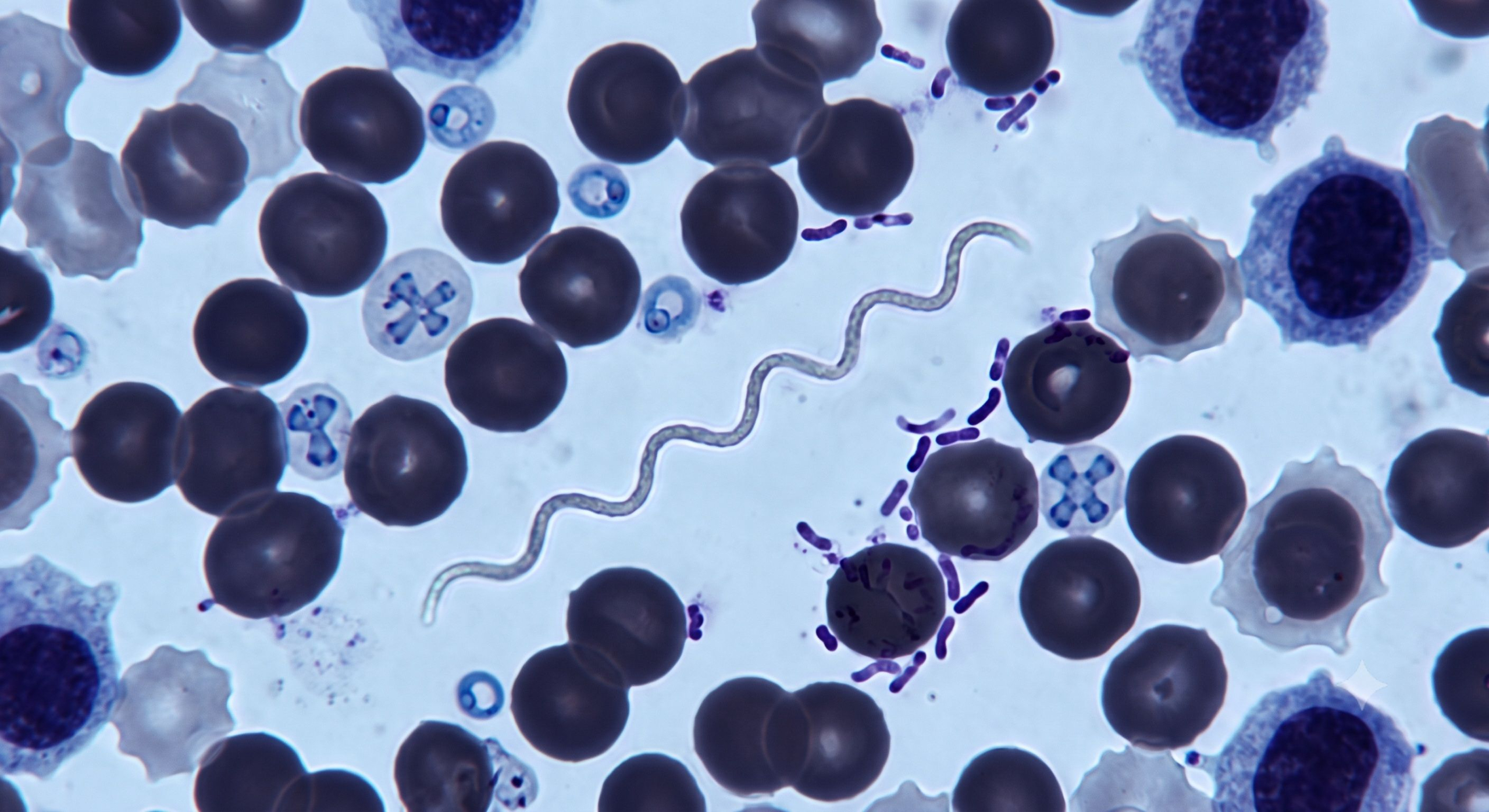
Advanced Specialty Laboratory Testing
Confirmatory Laboratory Testing After Your Advanced Medical Scan
Based upon your Advanced Medical Scan findings, optional follow-up laboratory testing with your physician may be useful to further evaluate Lyme disease, tick-borne co-infections, mold exposure, and other potential contributors to your symptoms. In some cases, these laboratory results may help your healthcare provider establish an appropriate ICD-10 diagnosis, document medical necessity, or guide additional evaluation and treatment.
The Advanced Medical Scan is designed to identify patterns of biological stress and prioritize areas for further investigation. It is not intended to diagnose disease and should be interpreted in conjunction with your medical history, physical examination, and appropriate laboratory testing.
Below are specialty laboratories and follow-up tests that may help verify or further investigate findings identified during your Advanced Medical Scan. Not every patient requires every test. Your physician can determine which studies are most appropriate for your individual clinical situation.
Tick-Borne Disease Testing
IGeneX
Website: https://igenex.com
IGeneX is one of the most comprehensive specialty laboratories for Lyme disease and tick-borne infections. Their testing includes advanced ImmunoBlot, PCR, FISH, antibody testing, and T-cell assays designed to detect numerous tick-borne pathogens.
Testing may include:
-
Lyme disease (Borrelia burgdorferi)
-
Tick-Borne Relapsing Fever (Borrelia species)
-
Babesia
-
Bartonella
-
Ehrlichia
-
Anaplasma
-
Rickettsia
IGeneX also offers comprehensive tick-borne disease panels that combine multiple testing methodologies to improve diagnostic accuracy.
Galaxy Diagnostics
Website: https://www.galaxydx.com
Galaxy Diagnostics specializes in Bartonella testing.
Their proprietary enrichment culture and PCR technology was developed specifically to improve detection of Bartonella species, which are often difficult to identify using conventional laboratory methods.
Testing options include:
-
Bartonella Triple Draw
-
Bartonella PCR
-
Enrichment Blood Culture
-
Vector-borne disease panels
Galaxy Diagnostics is frequently considered when Bartonella infection is strongly suspected despite previous negative testing.
Vibrant Wellness
Website: https://www.vibrant-wellness.com
The Tickborne Panel evaluates multiple tick-borne pathogens simultaneously using advanced molecular and antibody technologies.
Testing may include:
-
Lyme disease
-
Babesia
-
Bartonella
-
Ehrlichia
-
Anaplasma
-
Tick-Borne Relapsing Fever
-
Additional vector-borne organisms
TLab Diagnostics
Website: https://tlabdx.com
TLab offers advanced molecular testing for Lyme disease and multiple co-infections, including PCR-based testing for organisms that can be difficult to detect using conventional laboratory methods.
Testing includes:
-
Lyme disease
-
Babesia
-
Bartonella
-
Tick-Borne Relapsing Fever
-
Additional vector-borne pathogens
Medical Diagnostic Laboratories (MDL)
Website: https://mdlab.com
MDL provides PCR and serology testing for numerous infectious diseases including Lyme disease and several tick-borne co-infections.
Testing includes:
-
Lyme disease
-
Babesia
-
Bartonella
-
Ehrlichia
-
Anaplasma
-
Rocky Mountain Spotted Fever
-
Other vector-borne pathogens
DNA Connexions
Website: https://dnaconnexions.com
DNA Connexions offers urine PCR testing for Lyme disease and several co-infections. While urine PCR remains more controversial than blood-based specialty testing, some practitioners use it as an additional diagnostic tool when evaluating chronic tick-borne illness.
Mold & Mycotoxin Testing
RealTime Laboratories
Website: https://realtimelab.com
One of the leading laboratories for urine mycotoxin testing.
Testing may identify toxins produced by:
-
Aspergillus
-
Stachybotrys
-
Fusarium
-
Penicillium
-
Chaetomium
This testing may help document exposure to mold toxins that are not routinely evaluated by conventional laboratories.
Mosaic Diagnostics
(formerly Great Plains Laboratory)
Website: https://mosaicdx.com
Mosaic offers several functional medicine laboratory tests including:
-
MycoTOX Profile
-
Organic Acids Test (OAT)
-
Nutritional testing
-
Metabolic testing
These evaluations can provide insight into mold exposure, mitochondrial function, detoxification pathways, nutritional deficiencies, oxidative stress, and microbial metabolites.
Gastrointestinal Testing
Diagnostic Solutions Laboratory
Website: https://www.diagnosticsolutionslab.com
The GI-MAP uses DNA technology to evaluate:
-
Gut bacteria
-
Parasites
-
Candida
-
Viruses
-
Digestive function
-
Inflammation
-
Intestinal immune markers
GI-MAP testing may help identify gastrointestinal contributors to chronic inflammation and immune dysfunction.
Genova Diagnostics
Website: https://www.gdx.net
Genova offers comprehensive functional medicine testing including:
-
GI Effects Comprehensive Stool Analysis
-
NutrEval
-
Organic Acids
-
Micronutrient Testing
-
Hormone Testing
These evaluations assess digestion, nutrient status, mitochondrial function, oxidative stress, detoxification, and overall metabolic health.
Autoimmune & Immune Function Testing
Cyrex Laboratories
Website: https://www.cyrexlabs.com
Cyrex specializes in immune reactivity and autoimmune testing.
Popular panels include:
-
Array 2 – Intestinal Permeability ("Leaky Gut")
-
Array 3X – Expanded Gluten Immune Reactivity
-
Array 4 – Cross-Reactive Foods
-
Array 5 – Multiple Autoimmune Reactivity
-
Array 10 – Blood-Brain Barrier Integrity
These tests may be helpful when autoimmune mechanisms are suspected.
Heavy Metal & Environmental Toxicity
Doctor's Data
Website: https://www.doctorsdata.com
Testing includes:
-
Heavy metals
-
Toxic elements
-
Environmental chemicals
-
Essential mineral status
Testing may help evaluate toxic burden and nutrient imbalances.
Quicksilver Scientific
Website: https://www.quicksilverscientific.com
Quicksilver specializes in advanced mercury and heavy metal testing including:
-
Mercury Tri-Test
-
Heavy Metal Assessment
-
Detoxification evaluation
Their Mercury Tri-Test measures mercury in blood, urine, and hair to provide a more comprehensive assessment of mercury exposure.
Hormone Testing
DUTCH Test
Website: https://dutchtest.com
The DUTCH (Dried Urine Test for Comprehensive Hormones) evaluates:
-
Cortisol patterns throughout the day
-
Estrogen metabolism
-
Progesterone
-
Testosterone
-
DHEA
-
Melatonin metabolites
-
Adrenal function
This test can provide a detailed assessment of hormone balance and stress physiology.
Conventional Laboratory Testing
In addition to specialty laboratories, your physician may recommend conventional laboratory testing, including:
-
Complete Blood Count (CBC)
-
Comprehensive Metabolic Panel (CMP)
-
Iron studies and ferritin
-
Vitamin D
-
Vitamin B12
-
Folate
-
RBC Magnesium
-
Zinc
-
Copper
-
Ceruloplasmin
-
Homocysteine
-
Thyroid panel (TSH, Free T3, Free T4, Reverse T3, TPO antibodies, Thyroglobulin antibodies)
-
Erythrocyte Sedimentation Rate (ESR)
-
C-Reactive Protein (CRP)
-
High-Sensitivity C-Reactive Protein (hs-CRP)
-
Hemoglobin A1c
-
Fasting insulin
-
Lipid profile
-
Apolipoprotein B (ApoB)
-
Lipoprotein(a) [Lp(a)]
-
Immunoglobulins (IgG, IgA, IgM)
-
CD57 Natural Killer Cell Count (used by some Lyme clinicians)
-
Viral testing (EBV, HHV-6, CMV, Coxsackie, HSV-1/2, VZV, Parvovirus B19)
Individualized Testing
Every patient is unique.
Testing recommendations should be individualized based on your symptoms, medical history, previous laboratory work, Advanced Medical Scan findings, and your physician's clinical judgment.
Our goal is not to order every available laboratory test, but rather to identify the studies most likely to provide meaningful clinical information that can help confirm underlying contributors to illness, support appropriate ICD-10 diagnostic coding, and guide personalized treatment recommendations.